
"Sixty Bean Coffee"
120 article(s) found
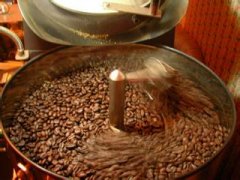
Coffee bean grinding terminology props for grinding coffee beans are called grinders
The task of grinding roasted coffee beans into powder is called grinding coffee beans. It is said that Beethoven puts sixty coffee beans into the mill every morning, grinds and brews coffee and enjoys its fragrance. And then experience the fun excitedly. According to its size, the grinding methods of coffee beans can be divided into three types: rough grinding, medium grinding and fine grinding.

The technique of brewing coffee requires coffee grinding skills
Grind the coffee and enjoy its aroma. And then experience the fun excitedly. According to its size, the grinding methods of coffee beans can be divided into three types: rough grinding, medium grinding and fine grinding. Use the appropriate grinding method according to the coffee utensils. There is also medium fine grinding or very fine grinding (powdered coffee powder) which is finer than fine grinding. The grinding time of coffee beans is before brewing coffee.

Coffee bean grinding. The term for grinding coffee beans is called grinding.
The grinding of roasted coffee beans into powder is called grinding coffee beans. It is said that Beethoven puts several sixty coffee beans into the mill every morning, grinds them, and then brews coffee while grinding coffee and enjoying its aroma. Then enjoy it with gusto. Coffee beans grinding method according to its size can be slightly divided into coarse grinding, grinding and fine grinding three kinds.
Coffee beans grinding common sense coffee grinding method
The grinding of roasted coffee beans is called grinding, and the grinding of coffee beans is called grinding. Beethoven said that every morning, dozens of 60 coffee beans are put into grinding, and then they are brewed, ground, enjoyed, and enjoyed. Coffee beans, those dark brown beans, seem ordinary, but they have a lot of knowledge at all stages.

The difference between kindergarten and university? Taste the secret coffee of South America
The coffee boom in Taiwan is heating up, and small coffee shops in the streets are springing up like bamboo shoots after a spring rain. New-style coffee shops attract customers with baking beans and hand-brewing techniques. Although there are many excellent works, they are expensive, and as long as they become famous a little bit, they will be very popular. Therefore, I think that if you want to enjoy drinking coffee quietly and without burden, it is best to go to a coffee shop with a history. sixty

The most important step in hand brewing of boutique coffee what is the secret of grinding beans?
Grind the coffee and enjoy its aroma. And then experience the fun excitedly. According to its size, the grinding methods of coffee beans can be divided into three types: rough grinding, medium grinding and fine grinding. Use the appropriate grinding method according to the coffee utensils. There is also medium fine grinding or very fine grinding (powdered coffee powder) which is finer than fine grinding. The time to grind coffee beans is to make coffee.

Coffee bean grinding method: the secret of grinding coffee beans how to adjust the thickness of the manual bean grinder
Communication of professional baristas Please follow the coffee workshop (official Wechat account cafe_style) the task of grinding roasted coffee beans into powder is called crushing, and the props for grinding coffee beans are called grinders. It is said that Beethoven counts 60 coffee beans into the mill every morning, grinds and brews coffee, grinds coffee while enjoying its aroma, and then excitedly experiences its fun coffee.

Basic knowledge of coffee selection methods and matters needing attention of raw coffee beans
The taste of raw beans and fruits before selection will not vary according to their size. What about coffee beans? Coffee beans harvested from the same tree, regardless of size
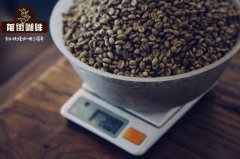
The ranking system of raw beans in coffee producing countries introduces what is the best grade of coffee beans.
Ethiopia (rated in proportion to defective beans) before the emergence of the Ethiopian Commodity Exchange (Ethiopia Commodity Exchange referred to as ECX), Ethiopia's coffee export grade was established by the CLU Department (Cupping and Liquoring Unit) under the Ministry of Agriculture, mainly according to the number of defective beans in 300g. The classification criteria are as follows.

Flavor and taste characteristics of Brazilian coffee beans in different producing areas describe how Brazilian red bourbon coffee varieties are cooked and tasted well
Professional coffee knowledge exchange more coffee bean information please follow the coffee workshop (Wechat official account cafe_style) Brazil is likened to the giant and monarch of the coffee world. There are about 3.97 billion coffee trees there, and small farmers now grow 75% of the country's coffee. Brazil

How do you make yourself look like you know how to make coffee?
Professional barista communication, please pay attention to coffee workshop (Weixin Official Accounts cafe_style ) With the promotion of coffee and the evolution of coffee essence, more and more people know how to go to coffee shops to order a cup of hand-brewed coffee that is fine for them. He ordered a cup of coffee. The menu said it was fine coffee, and the price was fifty or sixty yuan or even more than a hundred yuan per cup. But I'm pretty sure that's the only way

Variety characteristics of boutique coffee beans in producing areas recommended for latte coffee Arabica concentrated coffee beans
Professional coffee knowledge exchange more coffee bean information Please pay attention to Coffee Workshop (Wechat official account cafe_style) Coffee originated in Ethiopia, the great navigation era was brought to the world by the colonists, and gradually become the most popular drink in the world. With the editor, let's take a look at the main producing areas of coffee beans and the types of individual coffee. Coffee brings more than sixty people all over the world.
Coffee knowledge Coffee bean grinding terminology
Caffeine: Caffeine is the most noticeable of all coffee ingredients. It belongs to a kind of plant xanthine (animal muscle component). Its properties are the same as theobromine contained in cocoa. The theophylline contained in green tea is the same. After baking, the percentage of reduction is extremely small. The effect of caffeine is extremely extensive. It will affect various parts of the human brain, heart, blood vessels, gastrointestinal tract, muscles and kidneys. Appropriate caffeine

Coffee bean grinding terminology professional terms for coffee bean grinding
Caffeine: caffeine is the most eye-catching of all the ingredients in coffee. It is a kind of phytoxanthin (animal muscle component). It has the same properties as theobromine contained in cocoa, green tea contains the same theophylline, and the percentage of reduction after baking is very small. Caffeine has a very wide range of effects. will affect the human brain, heart, blood vessels, gastrointestinal, muscle and kidney and other parts, the right amount of caffeine
Fine coffee science coffee bean grinding terminology
Learn the coffee bean grinding term tannin: after extraction, tannin will become a yellowish powder, which can easily blend into water, and after boiling it will decompose and produce pyrosylic acid, making the coffee taste worse. and if the coffee is soaked and left for several hours, the color of the coffee will become stronger than when it was just soaked, and it is less tasty, so it is said that it is best to finish it as soon as possible. Caffeine:
Fine coffee common sense coffee bean grinding terminology
Caffeine: caffeine is the most eye-catching of all the ingredients in coffee. It is a kind of phytoxanthin (animal muscle component). It has the same properties as theobromine contained in cocoa, green tea contains the same theophylline, and the percentage of reduction after baking is very small. Caffeine has a very wide range of effects. will affect the human brain, heart, blood vessels, gastrointestinal, muscle and kidney and other parts, the right amount of caffeine

Coffee bean grinding terminology coffee bean grinding terminology
Tannic acid: after extraction, tannin will turn into a yellowish powder, which can easily blend into water. After boiling, it will decompose and produce pyrosylic acid, which will make the coffee taste worse. If the coffee is soaked and left for several hours, the color of the coffee will become stronger than when it was just soaked, and it is not tasty enough, so there is a saying that it is best to finish it as soon as possible. Caffeine: caffeine is one of all the ingredients in coffee
Fine Coffee talking about the terminology of Coffee Bean Grinding
Caffeine: caffeine is the most eye-catching of all the ingredients in coffee. It is a kind of phytoxanthin (animal muscle component). It has the same properties as theobromine contained in cocoa, green tea contains the same theophylline, and the percentage of reduction after baking is very small. Caffeine has a very wide range of effects. will affect the human brain, heart, blood vessels, gastrointestinal, muscle and kidney and other parts, the right amount of caffeine
Coffee common sense fine coffee bean grinding terminology
Tannic acid: after extraction, tannin will turn into a yellowish powder, which can easily blend into water. After boiling, it will decompose and produce pyrosylic acid, which will make the coffee taste worse. If the coffee is soaked and left for several hours, the color of the coffee will become stronger than when it was just soaked, and it is not tasty enough, so there is a saying that it is best to finish it as soon as possible. Caffeine: caffeine is one of all the ingredients in coffee

Glossary of terms for the grinding of coffee beans
Caffeine: caffeine is the most eye-catching of all the ingredients in coffee. It is a kind of phytoxanthin (animal muscle component). It has the same properties as theobromine contained in cocoa, green tea contains the same theophylline, and the percentage of reduction after baking is very small. Caffeine has a very wide range of effects. will affect the human brain, heart, blood vessels, gastrointestinal, muscle and kidney and other parts, the right amount of caffeine